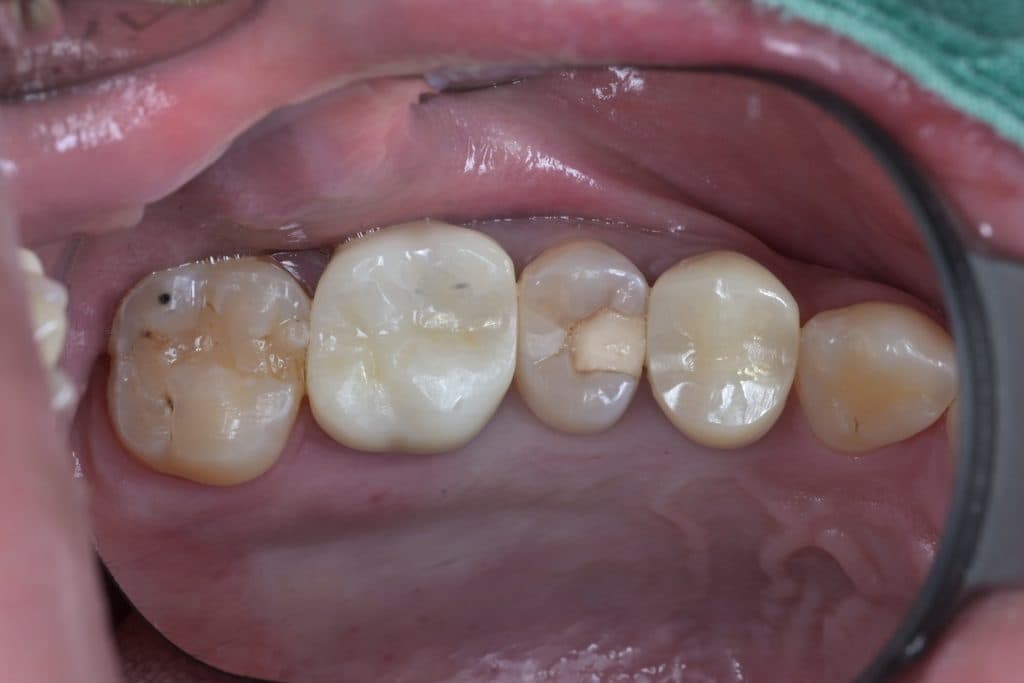
Same Cavity, Different Outcomes — How Dental Microscopes Transform Every Treatment
What looked like a small cavity to the naked eye turned out to be a deep cavity under the microscope. Magnification changes everything — from diagnosis to treatment outcomes. Here's why Shin Youngtong TTE Dental uses a microscope for nearly every procedure.
Patient Information
Column
Educational
Principles and benefits of microscope-assisted dental treatment
Hello. I'm Dr. Kang Seokhoon, Director of Shin Youngtong TTE Dental Clinic — a practice that documents and proves every treatment result.
Have you ever had this experience at the dentist?
"They said it was a small cavity, but after treatment they say I need a crown?"
"Root canal treatment? Nobody mentioned that at first..."
One of the biggest reasons these situations occur is the difference in what the dentist can actually see. Today, I'd like to explain how a dental operating microscope changes treatment, and why our clinic uses one for virtually every procedure except routine cleanings.
Naked Eye vs. Dental Microscope — What's the Difference?
The human eye can only distinguish objects larger than about 0.2mm. Early-stage cavities, hairline cracks in teeth, and root canal orifices — most of these are smaller than 0.2mm.
A dental microscope magnifies up to 25x, breaking through this limitation.
A simple analogy:
- Naked-eye treatment = working in a dark room with a single flashlight
- Microscope treatment = working in broad daylight with a magnifying glass
Even when looking at the same tooth, how precisely you can see determines the diagnosis, the treatment plan, and the final outcome.
5 Differences a Dental Microscope Makes
1. More Accurate Cavity Detection
A tooth that looks perfectly clean to the naked eye may reveal hidden cavities beneath the enamel under microscope magnification. Cavities between teeth (interproximal caries) are particularly deceptive — they show no external signs and are easy to miss without magnification.
Catch it early, and a simple resin filling is enough. Miss it, and you may need root canal treatment or a crown. The microscope helps capture this critical window.
2. More Healthy Tooth Structure Preserved
When removing a cavity, it's difficult to tell with the naked eye exactly where the decay ends and healthy tooth begins. To be safe, dentists sometimes remove more healthy tooth structure than necessary.
Under the microscope, we can see the boundary between infected and healthy tissue directly. We remove only the infected tissue and preserve as much healthy tooth as possible. Combined with AquaCare (micro-powder spray system), even more selective cavity removal is achievable.
Teeth don't grow back once cut. The amount of remaining tooth structure equals the tooth's lifespan.
3. Higher Root Canal Treatment Success Rates
Root canal therapy involves finding and cleaning extremely thin nerve canals inside the tooth. The problem is that these canals are often thinner than a human hair.
Finding the canal opening is difficult enough with the naked eye, but under the microscope:
- Hidden additional canals (such as MB2) can be located reliably
- Residual bacteria and infected tissue inside canals are directly visualized and removed
- Micro-cracks in the root can be identified
A significant portion of root canal failures are caused by missed canals and incomplete bacteria removal. The microscope dramatically reduces both risks.
4. Better Restoration Fit
Whether it's a resin build-up or a crown, if a microscopic gap forms between the restoration and the tooth, bacteria can infiltrate and cause secondary decay.
Under the microscope, we can verify these micro-gaps in real time. The margin where restoration meets tooth can be finished smoothly, reducing the risk of secondary decay and extending the restoration's lifespan.
5. Early Detection of Tooth Cracks
Hairline cracks in teeth are virtually invisible to the naked eye. But if these cracks grow, the tooth can split, leading to extraction.
With the microscope, we can accurately assess a crack's location, direction, and depth, allowing us to intervene before it progresses. It's an essential diagnostic tool for preventing unnecessary extractions.
"Why Don't All Dental Clinics Use Microscopes?"
Let me be honest.
Microscope-assisted treatment takes longer. The more you magnify, the more precisely you must work, and the more time you invest per patient. It's not a model designed to see as many patients as possible in the same timeframe.
Additionally, microscope dentistry requires specialized training and extensive practice. Owning a microscope and effectively using one are entirely different things.
Shin Youngtong TTE Dental has used the microscope as a standard tool in everyday practice since opening. We've reached a level of proficiency where treating without the microscope feels uncomfortable.
How We Use the Dental Microscope
At Shin Youngtong TTE Dental, we use the dental microscope for virtually every treatment except routine cleanings.
| Treatment Area | Microscope Application | |---|---| | Cavity Diagnosis | Early detection of initial, interproximal, and secondary caries | | Resin Build-up | Minimal preparation, precise layering, improved marginal adaptation | | Root Canal Therapy | Locating hidden canals, complete bacteria removal, retreatment | | Crowns/Prosthetics | Precise abutment preparation, margin verification | | Gum Treatment | Precision gum surgery, root caries treatment | | Implants | Surgical site verification, soft tissue management |
Combined with AquaCare (micro-powder spray system), QuickSleeper (computer-controlled painless anesthesia), and 3Shape Trios 6 (AI intraoral scanner), we pursue both precision and comfort simultaneously.
Want Your Teeth to Last a Lifetime?
The core of dental treatment ultimately comes down to how accurately you see and how precisely you treat.
The same cavity can lead to different treatment approaches and outcomes depending on who treats it and with what equipment. Treating small cavities while they're small, and saving teeth that can be saved — that's the difference a dental microscope makes.
If you have any questions about dental treatment, please don't hesitate to contact Shin Youngtong TTE Dental Clinic.
Shin Youngtong TTE Dental Clinic
- Address: 2F Golden Avenue, 66 Yeongtong-ro, Hwaseong-si, Gyeonggi-do, South Korea
- Phone: 031-205-4285
- Hours: Weekdays 10:00-19:00 / Wednesday late night until 21:00 / Saturday 10:00-14:00
Frequently Asked Questions
A dental operating microscope magnifies teeth up to 25x, revealing micro-cavities, cracks, and residual infections invisible to the naked eye. This enables precise diagnosis and truly minimally invasive treatment.
The naked eye cannot distinguish structures smaller than 0.2mm, but a dental microscope clearly reveals cavity margins and micro-cracks. This allows maximum preservation of healthy tooth while precisely removing only infected tissue, significantly improving treatment success rates and restoration longevity.
A cavity that appears as just a tiny dark spot to the naked eye reveals extensive infected tissue and cracks penetrating deep into the dentin under microscope magnification. Micro-gaps between restorations and teeth, residual decay, and root cracks become clearly visible — details that are impossible to detect without magnification.
Resin build-ups, root canal treatments, crown margin finishing, apicoectomy, cracked tooth diagnosis, and virtually all restorative and prosthetic procedures benefit from microscope use. At Shin Youngtong TTE Dental, we use the microscope for the majority of treatments to maximize precision.
Microscope-assisted treatment may take slightly longer than conventional treatment. However, the precise diagnosis and treatment significantly reduces retreatment rates and extends restoration lifespan, ultimately saving patients time and money in the long run.
관련 증례
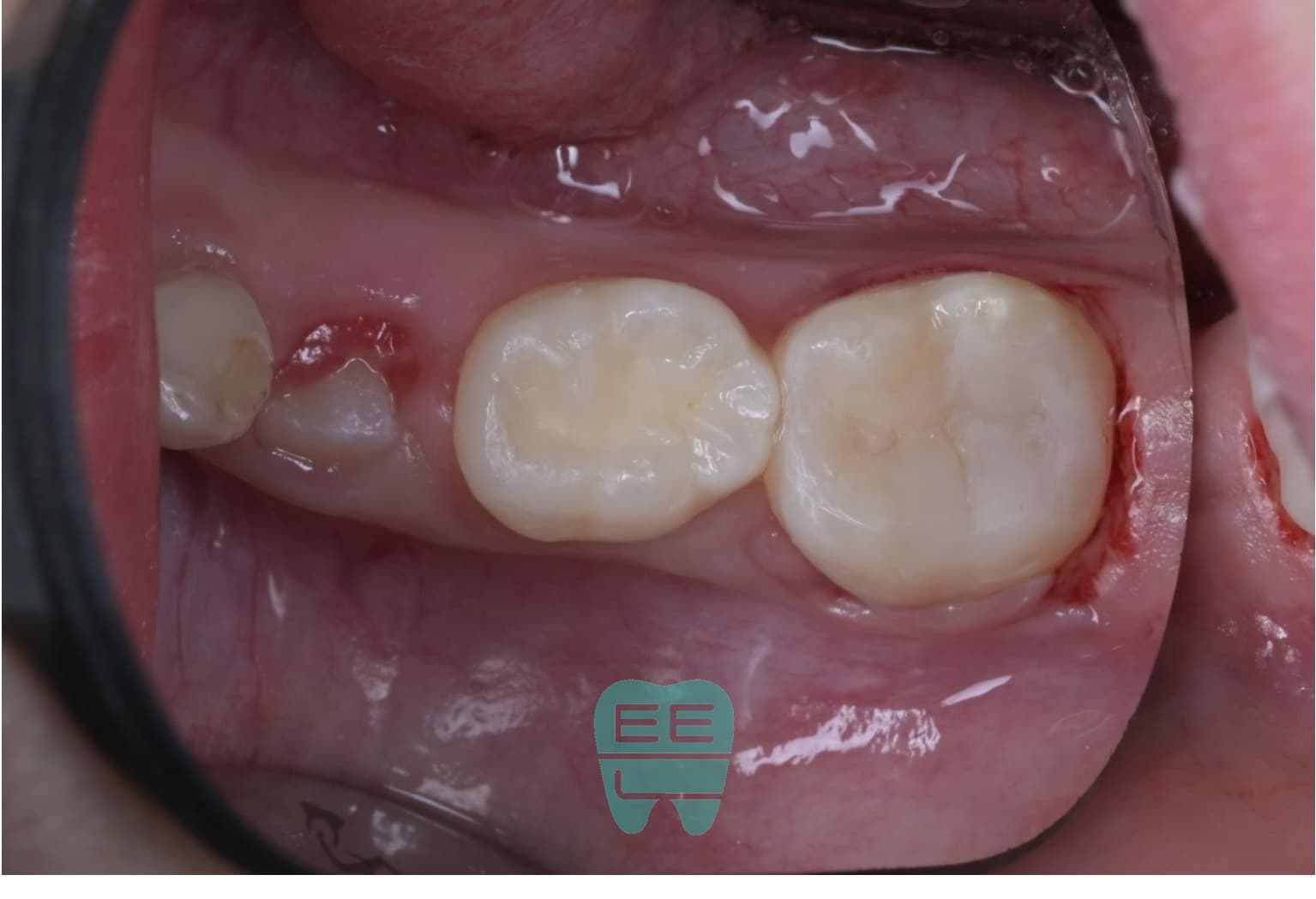
Minimally Invasive Resin Build-up Is the Answer for Pediatric Cavities — Treating Extensive Secondary Caries in a 9-Year-Old

AquaCare: Scientific Evidence for Enhanced Bond Strength — 2025 International Research Review